Commercial Waste in Elephant and Castle

Commercial waste in Elephant and Castle needs a practical, organised approach when premises produce mixed office, retail or trade rubbish that must be removed without disrupting the working day. We handle planned waste removal for businesses that want a straightforward route from collection to responsible transfer, with support for ongoing clear-outs, one-off disposals and related waste streams where they are suitable for commercial handling. The focus is on clear communication, sensible scheduling and dependable loading so that waste leaves the premises efficiently and in a way that suits the site.
Our service is designed around the type of waste rather than a one-size-fits-all process. Different materials call for different handling, whether that means separating recyclable items, dealing with bulky office contents, or arranging removal of items that should not be mixed with ordinary rubbish. If you need a quotation, you can use the relevant service page to choose the closest match to your requirement, then share the basic details of what needs clearing so the work can be assessed properly.
For a better idea of the options, start with business waste removal if your premises generate routine commercial rubbish, or use office clearance when the job involves desks, chairs, files, screens or a broader internal clear-out. If the waste is mainly awkward or bulky, waste removal gives a wider overview of the sort of collection work that can be arranged.
Commercial collections for everyday workplace waste
Everyday commercial waste is often a mixture of packaging, old fixtures, broken small items and general refuse that builds up around busy premises. A sensible collection plan keeps the work moving without leaving bags, boxes or dismantled items in circulation for longer than necessary. For many businesses, the important point is not only that waste is taken away, but that it is handled with enough care to keep access routes usable, internal space clear and sorting straightforward where separation is needed.
The collection method should reflect the layout of the premises and the nature of the material. Ground-floor units, shared office buildings and sites with narrow access may all need a slightly different approach to loading and timing. Where the waste includes recyclable material, it is useful to think in categories rather than in one mixed pile. If you have items that are better treated separately, such as cardboard, metal fittings or reusable furniture, describing them clearly helps the quotation process and makes the collection easier to plan.
Office, shop and premises clear-outs

Clear-outs are usually about more than simply removing rubbish. Many commercial premises need an organised clear-down when rooms are being reconfigured, stockrooms are being emptied or older equipment is being replaced. That can include furniture, shelving, archived paperwork, packaging, display materials and general clutter that has accumulated over time. We can support this kind of work by removing mixed contents in a way that keeps the project manageable and avoids unnecessary handling inside the building.
For office and retail settings, a good clear-out service needs to be careful, tidy and predictable. Items often have to be moved around desks, corridors, reception areas or stock spaces before loading begins, so sensible preparation matters. If you are deciding how to organise the job, it helps to note which items are staying, which are to be removed and whether anything needs special attention because it is fragile, bulky or awkward to carry. That makes it easier to match the service to the site and the scope of work.
When a premises clear-out includes multiple kinds of material, the most useful next step is usually to compare the main categories of work. Office clearance suits workplaces that mainly need furniture and equipment removed. Business waste removal is better when the waste is more routine and ongoing. If the job is broad and mixed, waste removal is a sensible starting point before you request a quotation.
Furniture, fixtures and bulky item disposal
Bulky waste often creates the most disruption because it occupies space quickly and can be difficult to shift through ordinary doors or stairwells. Furniture disposal needs a practical loading plan, especially when the items are heavy, oversized or awkwardly shaped. Office chairs, cabinets, desks, shelving units and similar objects may all be involved, and the process is usually simpler when the contents are described clearly before collection day. That gives a better basis for assessing labour and access requirements.
Where items are already separated, disposal can be organised more efficiently. Some businesses need help with a single large piece of furniture, while others are dealing with a whole suite of redundant fittings from a refit or relocation. In either case, the important issues are access, weight, volume and whether the items can be taken down from upper floors without causing damage. Clear information at the start helps avoid unnecessary delays and gives a more accurate quotation.
Specialist item handling
Some commercial waste streams call for specific handling rather than general mixed loading. Appliances, mattresses, sofas and similar items need separate consideration because they are bulky, shaped differently from ordinary waste and may require particular disposal routes. When these items appear within commercial premises, they are often part of a refurbishment, closure, replacement cycle or end-of-lease tidy-up. The work can usually be planned alongside a broader clearance if the items are listed clearly from the outset.
Specialist handling is also useful where the waste contains items that should not simply be put together with ordinary office rubbish. A measured approach avoids confusion over what can be taken in the same collection and what needs a separate arrangement. If your premises include a mixture of furniture, appliances and other waste, it is often worth separating the main groups first so the collection can be matched properly to the load. That is usually more practical than waiting until the team arrives to decide what can be taken.
Useful options for this kind of work include furniture disposal for stand-alone bulky items, fridge and appliance removal where electrical units are involved, and mattress and sofa disposal when upholstered items need to be cleared with care.
Sorting, recycling and responsible transfer

Responsible commercial waste removal is not only about taking items away; it is also about deciding what can be separated, what can be reused and what needs a proper disposal route. Many business clearances include cardboard, metals, timber, plastics, damaged stock and office fittings that should be assessed individually. Good sorting at the start makes it easier to keep mixed waste under control and to reduce unnecessary handling later in the process. It also gives customers a clearer view of how the collection will be organised.
Where recycling is appropriate, the aim is to keep suitable materials distinct enough to be processed correctly. That is often easier when waste is grouped by type before collection, though the exact method depends on the site and the volume involved. If the load includes items with mixed materials, it may be enough to separate the main categories rather than every single component. The point is to make the job safer, tidier and more efficient without overcomplicating the preparation. Recycling and sustainability gives a broader view of how recovered material can be handled.
For customers who are comparing services, it can help to think in terms of the desired outcome: a routine collection, a premises clear-out, or the removal of specific reusable or recyclable items. If the waste includes confidential paperwork or items that should be handled apart from general rubbish, use the relevant specialist page rather than folding everything into one collection request. Confidential shredding is the clearer route where secure document destruction is needed.
How to prepare a commercial waste quotation
When requesting a quotation, the most useful details are the type of waste, approximate volume, access conditions and the place it is being removed from. A short description is usually enough to start, but it becomes more accurate when you note whether the material is bagged, loose, boxed, stacked or already gathered into one area. The quotation process is easier when the main categories are visible rather than hidden within a general description of clutter.
It also helps to identify any practical limits before collection day. Shared access, stair-only buildings, narrow corridors, loading restrictions and time-sensitive site rules can all affect the plan. If you already know what must stay on site, say so early. A concise list can save time and reduce confusion. For a more structured request, you can use pricing and quotes to move from a broad idea of the job to a clearer estimate.
Business waste for different premises
Not all commercial waste looks the same, even when it comes from similar buildings. An office, retail unit, workshop or storage space can each produce a different mix of items, and that affects the most practical collection method. Routine business waste may include packaging, small broken items, offcuts and office clutter, while a commercial move or refurbishment produces more furniture, fittings and irregular bulky objects. The service should suit the waste rather than force every job into one pattern.
If the job is a larger premises clear-out, it can be useful to separate the broad streams before the collection is booked. General refuse, furniture, specialist items and recyclable material may all need different treatment. That is why the various service pages exist: they help define the scope before the work begins. For broader premises jobs, house clearance and flat clearance are not business services, but their naming can still help customers distinguish between domestic and commercial clear-outs when they are comparing the right route to take.
About Elephant and Castle
Elephant and Castle is an area in south London that sits at a long-established junction of routes linking the City, Southwark and the wider inner south of the capital. Its name is widely associated with the busy roundabout and transport interchange, but the district has a longer history tied to changing road layouts, urban redevelopment and shifting patterns of local life. The area lies within the London Borough of Southwark, and its built environment reflects several periods of change rather than a single architectural style. Older streets, post-war rebuilding and newer residential and commercial schemes sit in close proximity, which gives the district a layered appearance. The area also includes a mix of town-centre activity, housing and education uses. The surrounding streets connect easily to central London, and the nearby transport links have helped shape the district’s identity over time. Much of Elephant and Castle is recognised for its dense urban character, active street life and strong role in Southwark’s wider geography. As with many inner London districts, redevelopment has altered familiar landmarks, yet the area remains closely associated with movement, change and everyday city life. Its public spaces and transport connections make it one of the more recognisable parts of south London, while its local topography and road pattern still reflect older historic routes.
Site rules, access and item types
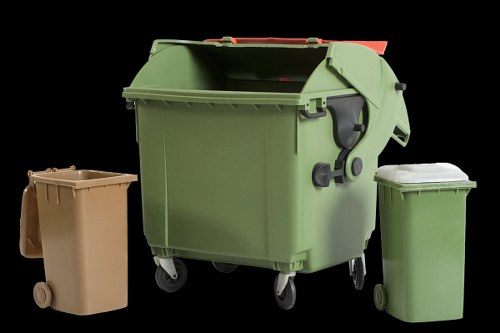
Commercial waste work is often shaped by the site itself. A ground-floor premises with direct loading is very different from an upper-floor office, a basement stockroom or a building with restricted access hours. The more precisely the access conditions are described, the easier it is to plan a collection that fits the premises. This matters particularly when the waste is bulky, when items need to be taken through shared entrances or when there is limited space for staging the load before removal.
The type of waste also affects the approach. Some items can be carried and loaded as they are, while others need to be split down or separated first. For example, a mixed clear-out might contain office furniture, small electrical items, packaging and general waste all at once. In that case, the collection needs to be organised around the heaviest and most awkward pieces first, then the lighter material can be managed around them. That keeps the process orderly and avoids unnecessary disruption to the premises.
For projects that involve more than one waste type, it is often helpful to read the page that matches the main load, then add the secondary materials in the note for your quotation. If the work includes a strip-out or building-related waste, builders waste clearance is the more suitable route. If you need a broader clear-out across rooms, home clearance can be helpful for understanding how mixed contents are approached, even when the final booking is for a commercial site.
Choosing the right service page
The strongest quotation begins with the closest match between the waste and the service page. That is why the site separates business waste from furniture disposal, confidential shredding, appliance removal and larger clearances. Choosing the right starting point helps the work stay specific, especially when the job is made up of several different categories. It also means the quotation can reflect the real effort involved rather than treating every request as the same.
If you are unsure which service fits best, think about the main object or material you need removed. Is it routine rubbish from the workplace, bulky fittings from an office, or a specialist item such as an appliance? Are you clearing one room or a whole premises? Those simple distinctions are usually enough to guide the request. For certain jobs, garage clearance, loft clearance and furniture clearance can also be useful references when the items are storage-based or predominantly made up of furniture.
Request a quotation
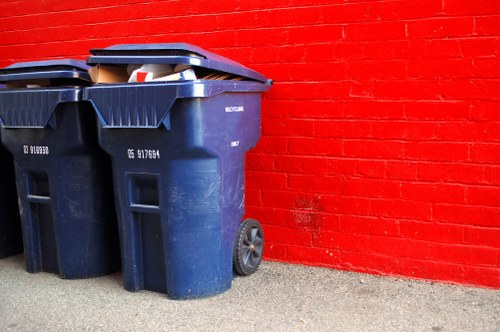
When you are ready to arrange commercial waste removal in Elephant and Castle, the simplest approach is to choose the closest service type, outline the main items and note any access points or restrictions. A clear description is usually enough to begin. If the job is straightforward, that can lead directly to a practical plan; if it is mixed or bulky, the description helps us suggest the best way to handle it. Use the page that matches your waste and provide as much detail as you can about what needs taking away.
If you need a broader overview before sending the details, about us gives a general introduction, while book online can be used when you want to move ahead with a booking request. For any commercial enquiry, the final step is simple: tell us what needs clearing and ask for a quotation.
Request your quotation today. If you already know the waste type, include it now and we will help you take the next step with a clear, workable plan.