Commercial Waste Elephant and Castle — Recycling and Sustainability
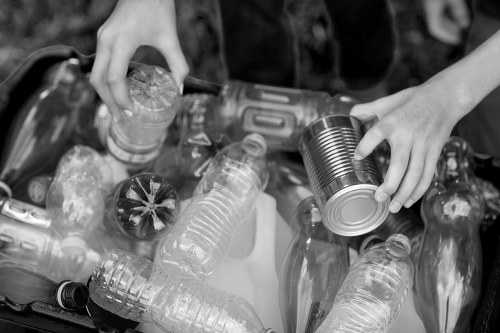 Commercial Waste Elephant and Castle is focused on building an eco-friendly waste disposal area that supports local businesses and the wider community. Our approach to commercial waste in Elephant and Castle combines practical collection schedules with sorting and processing systems that reduce landfill and increase material recovery. By working inside the borough's framework for separation and diversion, our Elephant and Castle commercial waste services help create a cleaner, greener urban environment.
Our sustainable rubbish area model aligns with the boroughs approach to waste separation, including separate streams for paper and card, mixed recycling, food organics and residual waste. We incorporate practical measures such as on-site segregation support, clear labelling for bins, and staff training so that business tenants understand how to contribute to the recycling targets. Reducing contamination in the blue and green streams is a priority for delivering higher recycling rates across commercial premises.
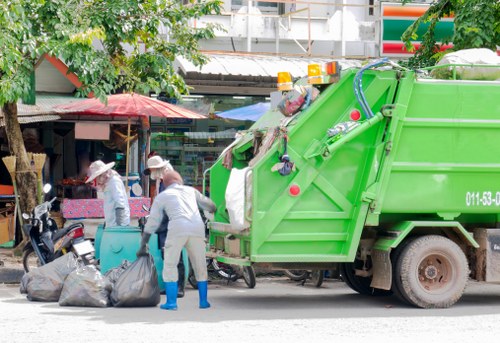 The programme includes metrics, education and infrastructure: we track tonnages, contamination rates and route efficiencies to continually improve. Our recycling percentage target is to increase diverted materials to at least 70% by 2030 for participating commercial customers, moving from mixed disposal to a high-performing sorting and reuse model. The commercial waste Elephant and Castle initiative uses both short-term interventions and long-term planning to hit measurable sustainability goals.
Our Recycling Targets and Low-Carbon Fleet
To meet the 70% recycling target we combine behavioural change with infrastructure: dedicated recycling bays, scheduled bulky waste collections for reuse, and segregated streams for metal, glass and textiles. We prioritise low-carbon logistics, deploying a fleet of low-carbon vans and vehicles that run on electric or low-emission fuels. These low-emission vehicles reduce the carbon footprint of commercial waste collections across Elephant and Castle and neighbouring boroughs.
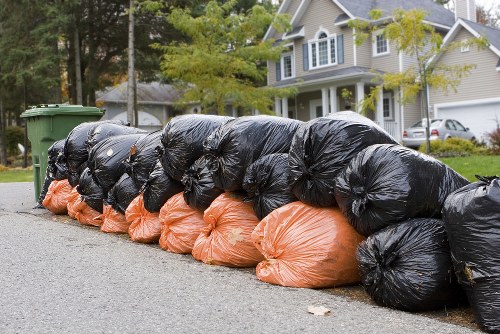 Our low-carbon vans are supported by optimized route planning and consolidated pick-ups to keep mileage and emissions down. We also invest in reversible containers and compactors that increase payload efficiency, meaning fewer trips and lower emissions per tonne collected. The Elephant and Castle commercial waste framework therefore combines emissions reduction with material recovery for a resilient, sustainable rubbish area.
Key operational elements include:
- Regular collections with clear segregation (paper/card, glass, plastics, food waste)
- Dedicated local transfer stations for sorting and bulking
- Collaborations with reuse networks and charities to extend product life
Local Transfer Stations, Charity Partnerships and Borough Collaboration
Local transfer stations play a central role in creating an effective, sustainable rubbish area. These facilities help consolidate mixed loads from commercial premises, pre-sort materials, and redirect reusable items to charity partners or specialist recyclers. By routing materials through local transfer stations we cut long-haul movements and keep processing within the city's circular economy.
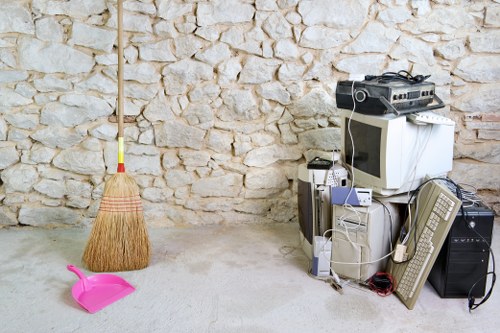 Partnerships with charities are a cornerstone of our approach. Items suitable for reuse — such as fixtures, furniture, textiles, and office equipment — are diverted from the waste stream and prepared for redistribution. Working with well-established local charities and social enterprises helps to provide second-life channels for goods, reduces waste volumes, and supports social value objectives within the area.
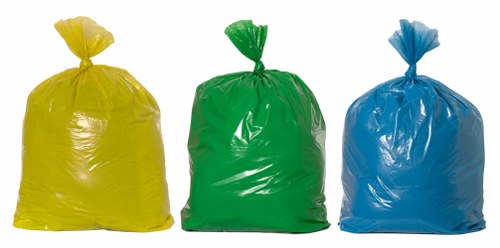 We also coordinate with borough waste teams to respect local rules on food waste, garden waste and construction residuals. For example, commercial premises are guided to separate food organics for anaerobic digestion, and inert construction waste is directed to licensed facilities. Our Elephant and Castle commercial waste schemes are tailored to local policy, including bin colour schemes and permitted materials, ensuring compliance and improving recycling outcomes.
Measurement and continuous improvement underpin the programme: regular reporting of tonnage and recycling percentages, contamination audits, and route CO2 calculations ensure transparency and progress. We publish aggregated metrics for participating sites and encourage businesses to join collaborative initiatives that support the overall eco-friendly waste disposal area vision.
Ultimately, Commercial Waste Elephant and Castle aims to transform how commercial waste is perceived and managed. By combining ambitious recycling targets, investment in low-carbon vans, effective use of local transfer stations, and strong partnerships with charities and borough services, we can create a sustainable rubbish area that benefits businesses, residents and the environment. This coordinated approach to Elephant and Castle commercial waste demonstrates how urban centres can reduce impact, increase reuse and meet their climate goals without compromising operational needs.
Our long-term commitment is to drive the boroughs approach to waste separation forward, maintaining a practical and scalable model for other urban commercial districts. Commercial waste in Elephant and Castle will continue to evolve, balancing efficiency, sustainability and community benefit as the core measures of success.
