Walworth Road rubbish collection guide Elephant and Castle
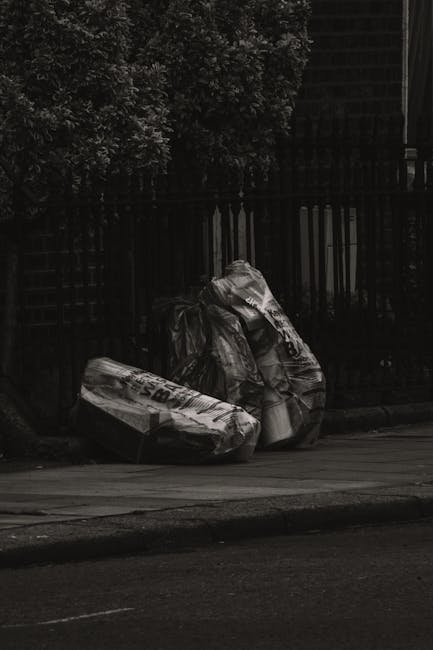
If you live, work, or manage a property near Walworth Road, rubbish can become one of those small problems that grows teeth. Bags pile up after a clear-out, awkward furniture sits by the door, or a shop back room starts feeling more cramped than useful. This Walworth Road rubbish collection guide Elephant and Castle breaks the process down in plain English, so you can sort waste safely, avoid common headaches, and choose the right collection method for the job.
Whether you are dealing with household clutter, flat clearance, office waste, or a one-off bulky item, the real challenge is rarely just "getting rid of it". It is getting rid of it properly, on time, and without creating a mess on a busy South London street. Let's be honest, nobody wants to drag a sofa out at the wrong time and discover it blocks the pavement like a badly parked van.
In this guide, you will find practical steps, local considerations, best-practice advice, and a simple checklist to help you plan a cleaner, calmer collection day.
Why Walworth Road rubbish collection guide Elephant and Castle Matters
Walworth Road sits in a part of London where space is precious, footfall is constant, and properties often work hard for every square metre. That alone makes waste collection more than a convenience issue. It is about keeping homes liveable, shops presentable, shared buildings tidy, and access routes clear.
In practical terms, rubbish builds up for all sorts of ordinary reasons: end-of-tenancy moves, refurbishments, stock rotation, student turnover, office clear-outs, or simply years of "I'll deal with that later." Later arrives, as it always does. And suddenly you are looking at mixed waste, old furniture, maybe a fridge, maybe a bag of broken fittings, and wondering where to start.
The guide matters because the wrong approach can cost time and effort. Poorly sorted waste can create delays, collections can be harder to arrange at short notice, and some items simply need specialist handling. If you plan well, the whole thing becomes much less stressful. You also reduce the odds of leaving a bad impression on neighbours, customers, or landlords. On a busy road like this, that counts.
Expert summary: The best rubbish collection plan is rarely the fastest-looking one. It is the one that matches the waste type, the access conditions, and the time window you actually have.
If you are dealing with mixed household waste or a full property clear-out, it may help to look at broader options such as waste removal or a more specific service like flat clearance. That is often where the real efficiency comes from: matching the method to the mess.
How Walworth Road rubbish collection guide Elephant and Castle Works
At street level, rubbish collection near Walworth Road usually follows a simple pattern. You identify what needs to go, separate the items into sensible groups, check whether anything needs special handling, and then arrange the collection method that fits the amount and type of waste. Simple enough on paper. A bit more interesting in real life.
There are usually three broad paths:
- Bagged or loose household waste collection for lighter everyday waste.
- Bulky item or one-off clearance for furniture, appliances, or mixed loads.
- Commercial or trade waste removal for businesses, offices, and building work.
If you are clearing out a shop unit, a small office, or a property with multiple types of waste, you may also need a more tailored service. For example, office documents can be separated for secure handling through confidential shredding, while a workplace clear-out may be better handled through business waste removal.
A key part of how this works is access. Walworth Road and the surrounding Elephant and Castle area can be busy, with limited loading time and awkward entrances. That means the cleaner, more organised your waste is, the smoother collection tends to be. If items are buried in a back room or stacked across a stairwell, the job takes longer and often becomes more expensive. Not always, but usually.
As a rule of thumb, the collection process becomes easier when you can answer these questions in advance:
- What type of waste is it?
- How much waste do you have?
- Can anything be reused, recycled, or separated?
- Are there stairs, narrow corridors, or limited parking?
- Do any items need specialist disposal?
Key Benefits and Practical Advantages
Done properly, rubbish collection is not just about making things look tidy for a day. It can improve the way a space functions, reduce stress, and stop small waste issues from becoming bigger operational problems.
- More usable space: Clearing clutter makes homes, flats, garages, lofts, and workspaces feel instantly more manageable.
- Less disruption: A planned collection is much easier than a rushed, last-minute scramble.
- Better hygiene: Waste left too long can attract smells, dust, and the sort of general unpleasantness nobody needs.
- Safer access: Removing obstacles helps avoid trips, blocked fire routes, and awkward moving conditions.
- Cleaner presentation: This matters for landlords, tenants, retailers, and anyone receiving visitors or customers.
- More responsible disposal: Sorting items correctly improves recycling potential and reduces avoidable waste.
There is also a mental benefit people underestimate. A clear room feels lighter. You hear it when you walk in. Less echo from empty boxes, less scraping around piles of things you forgot you owned. It sounds trivial, but it changes how a space feels, and that has a real effect.
If your clear-out includes old furniture, broken seating, or bulky items, related services such as furniture clearance, furniture disposal, and mattress and sofa disposal can help you avoid guesswork. That is often where people save the most time.
Who This Is For and When It Makes Sense
This guide is useful for a fairly wide group of people. If you are anywhere near Walworth Road or Elephant and Castle and need rubbish collected in a sensible, low-fuss way, you are probably in the right place.
Homeowners and tenants
Maybe you are moving out. Maybe a spare room has quietly become a storage unit. Maybe you have just looked into a loft and thought, "Right, that is not happening by itself." For everyday residential jobs, home clearance or house clearance is often the most practical route.
Flat residents
Flats are often where rubbish becomes awkward fastest. Shared entrances, stairs, lifts, and neighbours mean you need a tidy plan. If the clearance involves a one-bedroom flat or compact shared property, flat clearance can be a better fit than trying to move everything in multiple small trips.
Businesses and landlords
Shops, offices, managed properties, and rental portfolios all create regular waste pressures. Old stock, packaging, office furniture, and end-of-tenancy rubbish tend to arrive at the same time, which is never ideal. Business-focused collection helps keep everything moving without turning the place into a storage depot.
People with bulky or awkward items
Some items are just plain inconvenient. Fridges, freezers, wardrobes, and old sofas are too large for the average bin and too awkward for a casual weekend attempt. For those jobs, services like fridge and appliance removal and mattress and sofa disposal are often the cleanest solution.
Step-by-Step Guidance
If you want a smooth collection day, work through the process in order. It sounds basic, but most problems happen because people skip one of the early steps.
- Identify the waste type. Separate general waste, bulky items, garden material, construction debris, electrical items, and anything potentially hazardous.
- Decide what can be reused or donated. A good piece of furniture does not always need disposal. If it is usable, great. If not, move on.
- Check access carefully. Measure doorways, stair turns, and hallway width if the items are large. The tape measure earns its keep here.
- Group items logically. Put furniture together, bag general rubbish, and keep recyclables apart if you can.
- Flag special items early. Appliances, certain building materials, and anything potentially hazardous should be identified upfront.
- Choose the right service. Use waste removal, clearance, or a specialist option depending on the load.
- Prepare the collection point. Keep items in one accessible area if possible. It saves time and reduces disruption.
- Confirm timing and access details. A missed access note can derail the whole job, especially on a busy road.
- Double-check what is left behind. Once items are loaded, do a final room-by-room look. There is always one stray bit of metal hiding somewhere, isn't there?
For building work, renovation debris, or DIY waste, you will usually want a more specific approach. Builders waste clearance is a better match than a generic tidy-up because it is designed for heavier, messier loads.
Expert Tips for Better Results
Here is where a little planning makes a visible difference. In our experience, the best outcomes come from keeping the job simple for everyone involved.
- Do not mix everything together if you can help it. Mixed loads take longer to assess and move.
- Keep a clear walkway. It is easier, safer, and makes the collection feel less chaotic.
- Take photos before collection. Not because it is dramatic, just because it helps with planning and avoids crossed wires.
- Separate electricals from general rubbish. TVs, fridges, and other appliances are often handled differently.
- Plan around peak activity. Early mornings or quieter windows can help on busier streets.
- Ask about recycling where relevant. Responsible sorting matters, especially for furniture, metal, and wood.
- Leave a bit of buffer time. Small delays happen. Traffic, access issues, a key left on a desk somewhere. Life.
If the waste includes appliances or white goods, the right handling matters more than people think. A service such as fridge and appliance removal can prevent accidental damage and reduce the chance of unsafe lifting.
One small but useful habit: label bags or pile items by room. It sounds almost too neat for a rubbish job, but the person doing the loading will thank you, and you will notice the difference when the dust settles.
Common Mistakes to Avoid
Most collection problems are avoidable. That is the good news. The less good news is that people repeat the same mistakes all the time.
- Leaving everything until the last minute. Rush jobs are where missed items and access problems start.
- Assuming all waste can go together. It cannot. Some items need separate handling.
- Underestimating volume. A pile looks smaller in your head than it does by the front door.
- Forgetting about stairs and narrow spaces. A bulky item may fit the room but still fail at the final doorway.
- Ignoring hazardous items. Certain materials should never be treated like ordinary rubbish.
- Blocking access for neighbours or customers. On Walworth Road, that creates avoidable friction fast.
- Not checking what should be recycled or reused. Throwing away reusable material is a missed opportunity.
People also sometimes overlook the paperwork side. If you are dealing with business waste, it is worth checking the provider's policies and operational standards. Pages like health and safety policy and insurance and safety can help give you confidence that the work is being handled with care.
Tools, Resources and Recommendations
You do not need a warehouse full of gear to manage rubbish collection well. A few basics make life easier.
- Strong bin bags for lighter waste and packaging.
- Gloves to protect your hands from rough edges and dust.
- A tape measure for bulky furniture or appliance moves.
- Labels or marker pens to group items by category.
- Moving blankets or protective covers if items need to travel through clean interior spaces.
- Phone photos for quick quoting and planning.
For people comparing disposal options, these site resources can also be helpful:
- pricing and quotes for understanding how a job may be assessed.
- recycling and sustainability for a better view of responsible waste handling.
- what can go in a skip if you are trying to understand common skip-load restrictions and useful basics.
If you are dealing with confidential material, mixed office waste, or a clear-out where privacy matters, do not just toss everything into one bag and hope for the best. That is how avoidable mistakes happen. Slightly unglamorous advice, but useful.
Law, Compliance, Standards, or Best Practice
Waste collection in the UK is shaped by general rules on safe handling, responsible disposal, and duty of care. You do not need to become a compliance expert to manage a small clearance, but you should follow sensible best practice.
That means you should think carefully about:
- Who is collecting the waste and whether the provider is suitable for the type of material involved.
- How waste is separated to support recycling and reduce contamination.
- Whether anything is hazardous and needs specialist attention.
- How business waste is documented where records or internal controls matter.
For most readers, the practical takeaway is straightforward: do not mix risky items with everyday rubbish, and do not leave specialist waste to guesswork. If there is a potential health, safety, or confidentiality issue, it is better to slow down and handle it correctly than to push through and regret it later.
For wider policy reassurance, you may also want to review the site's terms and conditions, privacy policy, and payment and security information before booking. That is just sensible due diligence, nothing fancy.
Options, Methods, or Comparison Table
Choosing the right collection method usually comes down to the type of waste, the amount, and how quickly you need it gone. Here is a simple comparison to help.
| Method | Best for | Strengths | Watch-outs |
|---|---|---|---|
| General waste removal | Mixed household or light commercial waste | Flexible, simple, good for one-off clear-outs | May not suit specialist items |
| Flat clearance | Tenancies, apartments, compact homes | Useful for access-limited properties | Needs good planning in shared buildings |
| Furniture clearance | Sofas, wardrobes, tables, office seating | Handles bulky items efficiently | Access and lifting can affect timing |
| Builders waste clearance | DIY, renovation, strip-out debris | Better for heavier, messier loads | May require stricter sorting |
| Business waste removal | Shops, offices, managed premises | Good for regular or larger commercial waste | Privacy and compliance need more attention |
If you are unsure which route fits, start with the waste type and then work outward. That approach is usually more reliable than just picking the cheapest-sounding option. Cheapest is not always cheapest, as you may have guessed the hard way.
Case Study or Real-World Example
Picture a small flat off Walworth Road at the end of a tenancy. The resident has a broken chair, two bags of mixed rubbish, an old mattress, and a fridge that stopped working sometime after midnight because that seems to be how fridges operate. The hallway is narrow, the building has shared access, and the landlord wants the place cleared before the next viewing.
The first sensible move is to separate the load: general waste in one group, the mattress in another, and the appliance flagged separately. A quick check of access reveals that the fridge will need careful movement through a tight turn near the front door. The resident also realises there are a few items of office paperwork in a drawer, which get set aside for confidential handling instead of being mixed into the main waste pile.
Instead of trying to do everything in one rushed trip, the collection is planned around the access constraints and the different waste types. The result is less lifting, fewer delays, and no half-finished pile left in the hallway at six in the evening. That kind of calm outcome is what people usually want, even if they do not say it out loud.
This is a small example, but it mirrors the real job flow in the area: narrow access, mixed items, and a need for tidy, efficient removal. Nothing dramatic. Just a job done properly.
Practical Checklist
Use this quick checklist before collection day.
- Sort waste into clear categories.
- Identify furniture, appliances, and bulky items early.
- Remove anything personal, sensitive, or reusable.
- Check access routes, stairs, and doorway widths.
- Keep hallways and exits clear.
- Flag hazardous or specialist waste in advance.
- Prepare parking or loading details where needed.
- Make sure the collection point is easy to reach.
- Take quick photos if helpful for planning.
- Review what should be recycled, reused, or disposed of separately.
- Do a final sweep before the team leaves.
If you are handling a broader clear-out, related services such as garage clearance, loft clearance, and garden clearance can be a good fit depending on where the clutter has built up. Different spaces, different headaches.
Conclusion
A good Walworth Road rubbish collection plan is really about three things: knowing what you have, choosing the right disposal method, and preparing the space so collection is straightforward. That is true whether you are clearing a flat, a shop, an office, or a home that has simply accumulated too much stuff over time.
The more clearly you sort the waste, the easier everything becomes. You save time, reduce stress, and avoid the awkward, slightly chaotic feeling of trying to solve a clearance at the last minute. Truth be told, that feeling is what most people are trying to escape in the first place.
If you want a smoother experience, focus on access, separation, and the right service match. Keep it practical. Keep it tidy. And give yourself a little breathing room so the job feels manageable instead of frantic.
Get a free quote today and see how much you can save.
When the rubbish is gone and the space opens up again, even a modest room can feel like a fresh start. That part never gets old.
Frequently Asked Questions
What is included in a Walworth Road rubbish collection guide Elephant and Castle?
It usually covers how to sort waste, choose the right collection method, prepare access, and handle bulky, mixed, or specialist items safely.
How do I know whether I need waste removal or flat clearance?
If the job is a general mixed load, waste removal may be enough. If you are clearing an entire flat or several rooms, flat clearance is often the better fit.
Can furniture be collected from a property with narrow stairs?
Often yes, but access needs to be checked carefully. Measuring doorways and stair turns in advance helps avoid problems on the day.
What should I do with old appliances like fridges or freezers?
Keep them separate from general waste and use a suitable appliance collection service. They are bulky, awkward, and usually need specific handling.
Is it okay to mix all rubbish together?
It is better not to. Mixed waste is harder to assess, can slow collection, and may make recycling less effective.
How far in advance should I plan a collection?
As early as you can, especially if the waste is bulky, the access is tight, or you need the job done around a move-out or business opening.
What happens to waste after collection?
That depends on the type of waste and how it is sorted. Reusable or recyclable materials are typically separated where possible, while other items go for appropriate disposal.
Do businesses need a different type of rubbish collection?
Usually yes. Commercial waste often involves different volumes, access needs, confidentiality concerns, or operational timing, so business waste removal is often the better route.
Can I include confidential papers in a normal clearance?
It is better to separate them and use confidential shredding if privacy matters. Mixing sensitive paperwork with general rubbish is not a good idea.
What are the most common mistakes people make with rubbish collection?
Leaving everything until the last minute, underestimating how much there is, and forgetting about access are probably the big three.
How do I make collection day go faster?
Sort items beforehand, keep the route clear, group similar waste together, and have any special items flagged early. Small steps, big difference.
Where can I find more information before booking?
You can review the site's pages on pricing and quotes, recycling and sustainability, and book online for next-step guidance.